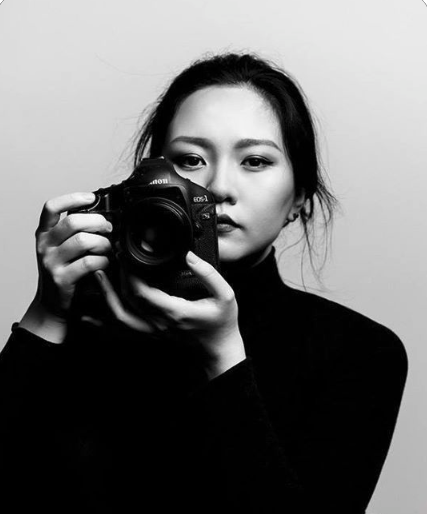
(Photo by Zhang Jingna)
Art isn’t what it used to be—or at least its origins aren’t what they used to be. Just ask art photographer and director Jingna Zhang, whose work has for years melded Asian and western styles. Her creations have appeared around the world, and she has spoken to and mentored many aspiring artists. Lately, however, she has been an activist for copyright protection—to separate human-generated art from Artificial-Intelligence (AI)-generated art. Her latest medium to do that is Cara, a social network and art platform that has hundreds of thousands of users.
In 2022, Zhang discovered that another artist had claimed her work as his own, using it for financial profit and media recognition. In 2024, she won her case through a Luxembourg district court; the other artist’s work was defined as plagiarism. But that was human plagiarism; things were about to change. In 2023, Zhang joined a class-action lawsuit against several AI companies. Why? “Copyright and its protections made the professional pursuit of my craft possible. But the rapid commercialization of generative AI models, built upon the unauthorized use of billions of images—both from artists and everyday individuals—violates that protection. This should not be allowed to go unchecked.”
It’s a somber situation for many artists. Zhang says that for years she’s anticipated losing her job to AI. Further, even “once AI art’s ethical issues are resolved, and if nothing else changes, I expect that 60-80% of the artist workforce will lose their jobs in the next 2-5 years.” As she points out, with AI a project that formerly took months to create could be completed in a couple of days. And the public—businesses and individuals—will only consider the image, not the creator. In terms of commercial photography, “There will be no need for a model, makeup artist, hair stylist, producers, or assistants.”
Zhang’s latest fight is with Google: She, along with several cartoonists, claim that “Google is liable for misusing ‘billions’ of copyrighted images, including theirs, to teach Imagen [its AI-powered image generator] how to respond to human text prompts.”
Jingna Zhang has spent most of her life doing what she loves, but now she sees it threatened. She’s been willing to lose sponsors and even topple the industry to get people to understand what is going on with AI. She’s not against AI; she’s against the abuse of AI.
“I look forward to the day when AI art and tools are ethically made and equally beneficial to everyone. . . . AI development should benefit humanity; doing it on the backs of stealing from millions of people should not be part of it.”
Finally, Zhang doesn’t want to be alone in this crusade: “No matter how far removed you feel that you are from the situation, AI won’t just impact other people; it will likely impact you, too.”